
Agriculture has always been the foundation of human civilization, providing food, livelihood, and economic stability. However, in recent decades, the overuse of chemical fertilizers and pesticides has created serious problems. Soil health has declined, fertility levels have dropped, and the environment is increasingly polluted. Farmers around the world are now seeking natural and sustainable alternatives that can restore soil fertility, reduce their dependency on chemicals, and still ensure high crop yields. One such effective and eco-friendly solution is vermiculture, which involves the use of worms to produce vermicompost.
Vermicompost Definition
“Vermicompost is an organic fertilizer made by earthworms that convert organic waste into nutrient-rich compost, improving soil health and plant growth naturally.”
Overview Vermicompost Khad ?
Earthworms have been closely linked to agriculture and soil fertility since ancient times. Historical records reveal that civilizations in Egypt and India valued earthworms for their remarkable ability to enrich soil and improve crop productivity. Farmers noticed that land inhabited by earthworms produced healthier and more abundant harvests, making these creatures an integral part of traditional farming systems.
The scientific significance of earthworms was later highlighted by Charles Darwin, who dedicated several years to studying their behavior and impact on soil health. In his research, Darwin described earthworms as “nature’s ploughmen,” emphasizing their critical role in breaking down organic matter and recycling nutrients back into the soil. He concluded that while it takes nature hundreds of years to form a single inch of fertile topsoil, earthworms can speed up this process significantly through their constant burrowing and feeding activities.
Vermicompost :
Vermicompost is an organic fertilizer produced through the natural breakdown of organic waste with the help of earthworms. In this process, different species of worms—such as red wigglers, white worms, and other decomposer varieties—feed on materials like vegetable scraps, food waste, and bedding substances.
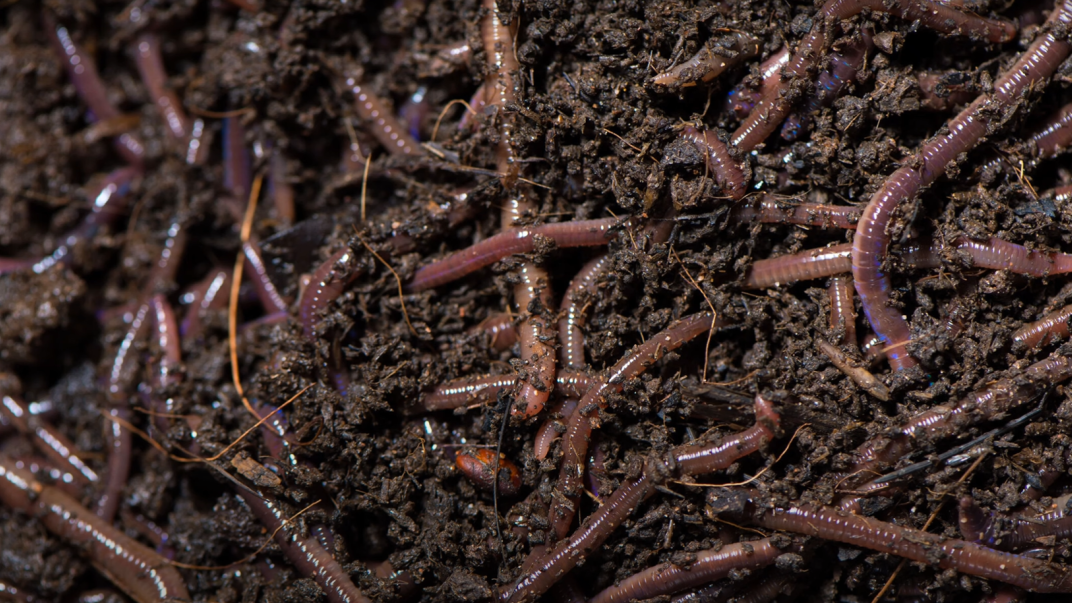
As they consume this biomass, it passes through their digestive system and is released in a digested, nutrient-rich form known as vermicompost. This compost improves soil structure, increases fertility, and promotes healthy plant growth.
Benefits of Vermicompost Khad :
vermicompost offers multiple benefits for farmers, gardeners, and the environment, making them a vital part of sustainable agriculture. By combining earthworm activity with organic waste management, these practices improve soil health, enhance crop productivity, and create additional income opportunities.
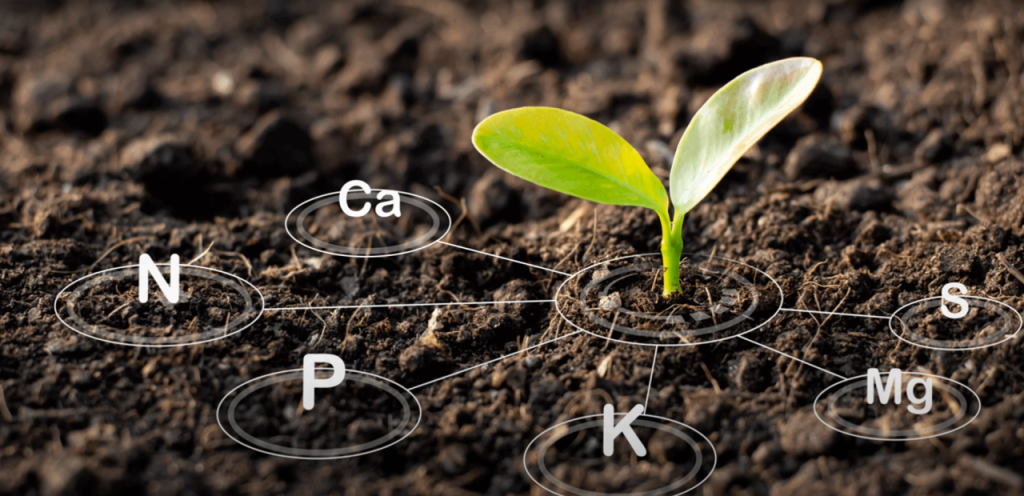
Improves Soil Fertility – Vermicompost provides essential nutrients, including nitrogen, phosphorus, and potassium, as well as beneficial microbes that enhance soil structure and promote plant growth.
Eco-Friendly Waste Recycling – Earthworms convert organic waste into valuable compost, reducing pollution and landfill load.
Increases Crop Yield – Plants grown with vermicompost become healthier, stronger, and more resistant to drought and diseases.
Reduces Chemical Use – Acts as a natural fertilizer and pest-control agent, minimizing the need for chemical inputs.
Low-Cost & Sustainable – Requires minimal investment and works well for small or large farming systems.
Extra Income Source – Farmers can sell earthworms, vermicompost, and vermi-wash to earn additional income.
Scientific Basis of Vermicompost Khad?
The success of vermicompost lies in the biological and ecological functions of earthworms. These small creatures act as natural bio-engineers, transforming organic matter into nutrient-rich fertilizer that significantly improves soil health and crop productivity.
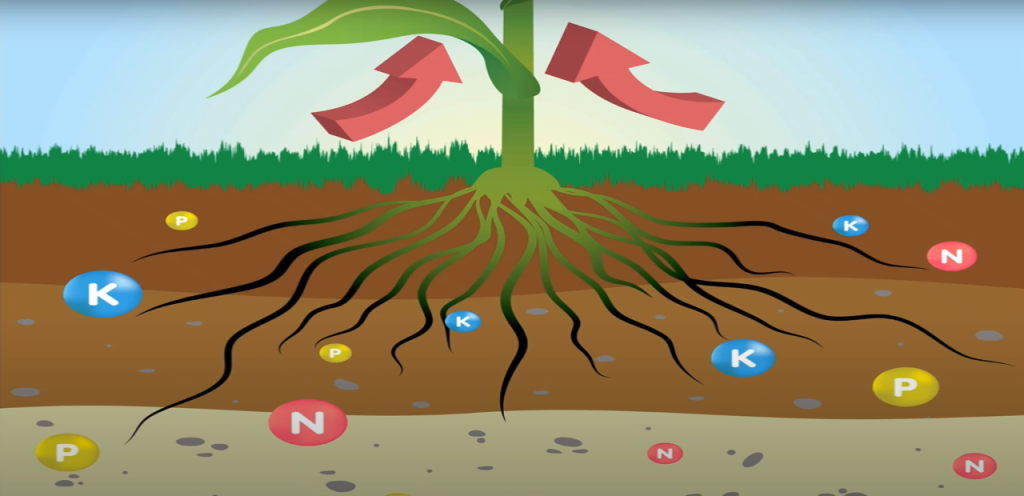
When earthworms consume organic matter such as crop residues, animal dung, or kitchen waste, it passes through their digestive system. Inside, enzymes and beneficial microbes break down complex organic compounds into simpler forms. The material is then excreted as worm castings, which are rich in readily available nutrients like nitrogen, phosphorus, potassium, calcium, and magnesium. Vermicast is also enriched with plant growth hormones and beneficial microorganisms that promote faster nutrient absorption and healthier plant development.
Apart from producing nutrient-rich compost, earthworms contribute to soil improvement in other ways. Their constant burrowing activity aerates the soil, improving oxygen flow to plant roots. This natural tilling enhances soil structure, increases water-holding capacity, and reduces soil compaction, making it ideal for sustainable farming practices.
Another scientific advantage of vermiculture is the rapid reproduction rate of earthworms. Under favorable conditions, earthworm populations can double within a few months. This makes them extremely effective for large-scale composting projects, where huge quantities of organic waste can be processed quickly and efficiently. Their high reproductive potential ensures a continuous supply of worms for ongoing vermicomposting operations.
In summary, the scientific basis of vermiculture lies in the earthworm’s ability to:
- Break down organic matter through enzymatic digestion.
- Produce nutrient-rich vermicast packed with essential elements.
- Improve soil aeration, structure, and microbial activity.
- Reproduce quickly, making large-scale waste recycling possible.
This natural process not only supports soil fertility and crop productivity but also provides a reliable, eco-friendly solution for organic waste management in modern agriculture.
Requirements for Making Vermicompost Khad
For achieving the best results in vermicompost, it is essential to provide earthworms with the right environmental conditions. Proper management ensures faster composting, healthier worm populations, and higher-quality vermicompost. Below are the key requirements for successful vermiculture:
- Bedding Material
Earthworms require a soft, organic bedding that mimics their natural habitat. Materials like straw, shredded paper, dried leaves, or partially decomposed manure are ideal. Bedding should be moist, loose, and rich in carbon to support worm activity. - Food Source
Earthworms feed on biodegradable organic matter. Suitable food includes vegetable scraps, crop residues, kitchen waste, and cattle manure. Non-biodegradable and harmful items such as plastics, oils, or meat products must be strictly avoided, as they can harm worms and slow the composting process. - Moisture Levels
Moisture is crucial for worm survival. The bedding should maintain a 70–90% moisture level, which allows worms to breathe through their skin. Excess water must be avoided to prevent anaerobic conditions, while dryness can lead to worm stress or death. - Temperature Range
Earthworms thrive in moderate temperatures. The optimal range is 15–30°C. Extreme heat or cold can reduce worm activity and reproduction, so maintaining stable conditions is essential for year-round vermicomposting. - Aeration
Worms need oxygen for survival and effective composting. Bedding should be kept loose and well-ventilated to allow airflow. Good aeration prevents foul odors and accelerates the breakdown of organic matter.
By maintaining these requirements, farmers and gardeners can create the perfect environment for worms to thrive. Healthy worms not only produce nutrient-rich vermicast but also multiply quickly, making the process sustainable and highly productive.
Methods of preparation
Vermicomposting can be practiced in several ways depending on the scale, resources, and purpose of composting. Each method has unique features, making it suitable for households, small farms, or commercial operations. Below are the most widely used methods of vermicomposting:
- Pit Method
In this method, shallow pits are dug and filled with organic waste along with earthworms. The pits are then covered with straw, dry leaves, or jute sacks to maintain moisture and temperature. While effective, this method is less popular due to difficulties in aeration and drainage. - Bed Method
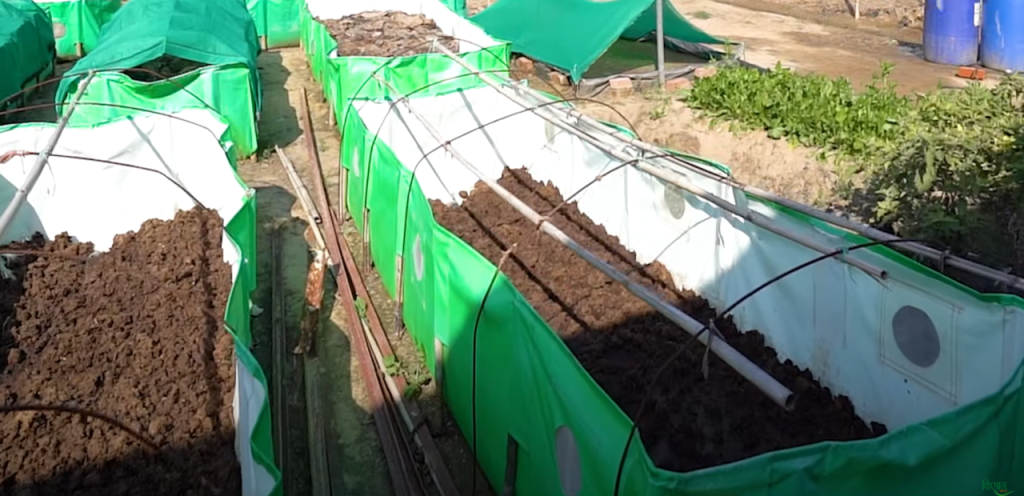
The bed method is the most common and widely practiced technique on farms. Organic waste is placed in brick-lined or cemented beds constructed above ground. This design allows better aeration, drainage, and ease of handling. Farmers prefer this method because it is simple, cost-effective, and yields high-quality vermicompost. - Windrow Method
The windrow method is used for large-scale vermicomposting projects. Organic waste is arranged in long heaps or rows in open fields. Worms are introduced, and the heaps are watered and covered to retain moisture. This method is ideal for recycling large amounts of agricultural or municipal waste. - Bin Method
The bin method is best suited for households, schools, and small gardens. Waste is decomposed in containers, wooden boxes, or plastic bins. It requires little space and is highly convenient for urban composting. - Flow-Through Reactors
This is an advanced, mechanized system where composting occurs continuously. Fresh organic waste is added at the top, while finished vermicompost is harvested from the bottom. It is efficient, clean, and widely used in commercial vermicomposting units.
By selecting the right method, farmers, gardeners, and households can recycle organic waste effectively and produce nutrient-rich vermicompost that improves soil fertility and plant growth.
Step-by-Step Process of Preparation
Vermicomposting is a natural and eco-friendly technique that transforms organic waste into nutrient-rich fertilizer with the help of earthworms. To achieve the best results, farmers and gardeners must follow a systematic process that ensures the right conditions for worms to thrive. Below is the step-by-step process of vermicomposting:
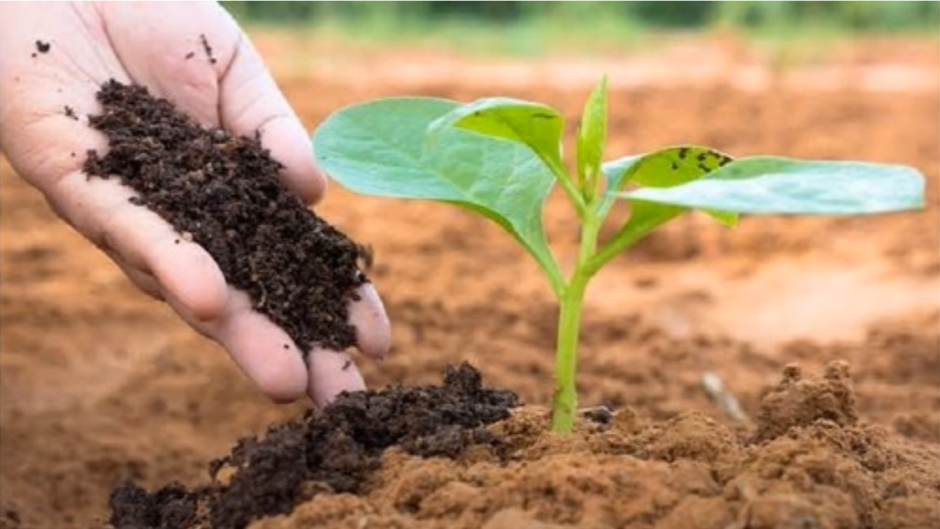
- Prepare Bedding
Start by preparing a soft bedding layer using straw, dried leaves, shredded paper, or partially decomposed manure. This provides a comfortable environment for the worms and helps maintain proper aeration. - Moisten the Bedding
Maintain adequate moisture by sprinkling water until the bedding is damp but not waterlogged. The ideal moisture level is 70–90%, which allows worms to breathe through their skin. - Introduce Earthworms
Add healthy composting worms such as Eisenia fetida at a rate of 1–2 kg per square meter. These worms are highly efficient in breaking down organic matter. - Add Organic Waste
Provide semi-decomposed organic waste such as kitchen scraps, vegetable residues, crop leftovers, or cattle manure. Avoid plastics, oils, and meat products, as they can harm the worms. - Cover the Surface
Cover the bed with straw, dry leaves, or jute sacks to protect the worms from direct sunlight and maintain the required temperature. - Maintain Conditions
Monitor the system regularly to ensure moisture, aeration, and temperature (15–30°C) remain stable. Regular care helps worms stay active and reproduce quickly. - Harvest Vermicompost
After 2–3 months, dark, fine-textured, and odorless vermicompost will be ready. This compost is rich in essential nutrients and beneficial microbes. - Reuse Earthworms
Separate the worms from the finished compost and reuse them for the next cycle, ensuring continuous production.
Harvesting and Storage of Vermicompost Khad?
One of the most important stages in the vermicomposting process is harvesting and storing the finished compost. After 2–3 months of continuous feeding and maintenance, the organic waste is completely transformed into dark, fine-textured, and nutrient-rich vermicompost. At this stage, proper harvesting techniques must be followed to separate the worms from the compost and ensure the final product remains fresh and effective.
Harvesting Vermicompost
There are several simple methods for harvesting:
- Sieving Method: The finished compost is passed through a sieve to separate the earthworms and any unprocessed material.
- Fresh Food Migration: A fresh pile of organic waste is placed on one side of the bed or bin. Worms naturally migrate towards the new food source, leaving behind finished compost for collection.
- Light Exposure Method: By exposing the compost to light, worms move downward, allowing the upper layers to be collected easily.
How to use vermicompost?
Vermicompost is a highly valuable organic fertilizer that offers multiple benefits for agriculture, horticulture, and sustainable farming. Rich in essential nutrients and beneficial microbes, it not only improves soil fertility but also enhances plant growth and crop productivity. Below are the major uses of vermicompost across different sectors:
- Agriculture
In farming, vermicompost is applied to enhance crop yield, improve soil structure, and reduce dependency on chemical fertilizers. It provides readily available nutrients like nitrogen, phosphorus, and potassium, helping farmers lower input costs while promoting sustainable agriculture. - Horticulture
Vermicompost is widely used in fruit orchards, vegetable farms, and flower cultivation. Its balanced nutrient content improves fruit size, enhances flowering, and increases shelf life of produce. Horticulturists prefer vermicompost as it boosts both quality and quantity of crops. - Kitchen Gardening
For households and urban gardeners, vermicompost is the perfect solution to enrich pots, terrace gardens, and backyard soils. Being odorless and eco-friendly, it is safe to use indoors and provides healthy growth for herbs, vegetables, and ornamental plants. - Nurseries
Nurseries use vermicompost in seedbeds and potting mixtures as it significantly improves seed germination and seedling vigor. The presence of plant growth hormones and beneficial microbes ensures healthier and faster plant development. - Soil Restoration
One of the most impactful uses of vermicompost is in reclaiming degraded or nutrient-deficient soils. By improving soil texture, increasing organic matter, and enhancing microbial activity, it helps restore barren land for productive farming.
In summary, vermicompost serves as a multi-purpose biofertilizer, useful in agriculture, horticulture, gardening, nurseries, and land restoration. Its eco-friendly nature makes it a sustainable alternative to chemical fertilizers, contributing to healthier crops, fertile soil, and long-term environmental conservation.

Leave a Reply